Come to Ghana
  • Plan Your Trip
  • Destinations
    • Regions
    • Top Attractions
    • Experiences
    • Ghanaian Culture
    • Culture & Cuisine
    • Events Calendar
    • Ghana Festivals
  • Why Ghana
    • Gateway to Africa
    • Ghana’s Hospitality
    • UNESCO Heritage Sites
    • Year of Return
    • Ghana Music
    • Safe & Stable
  • Itineraries
  • Blog
  • About
  • Contact
WhatsApp
Plan my trip
Come to Ghana
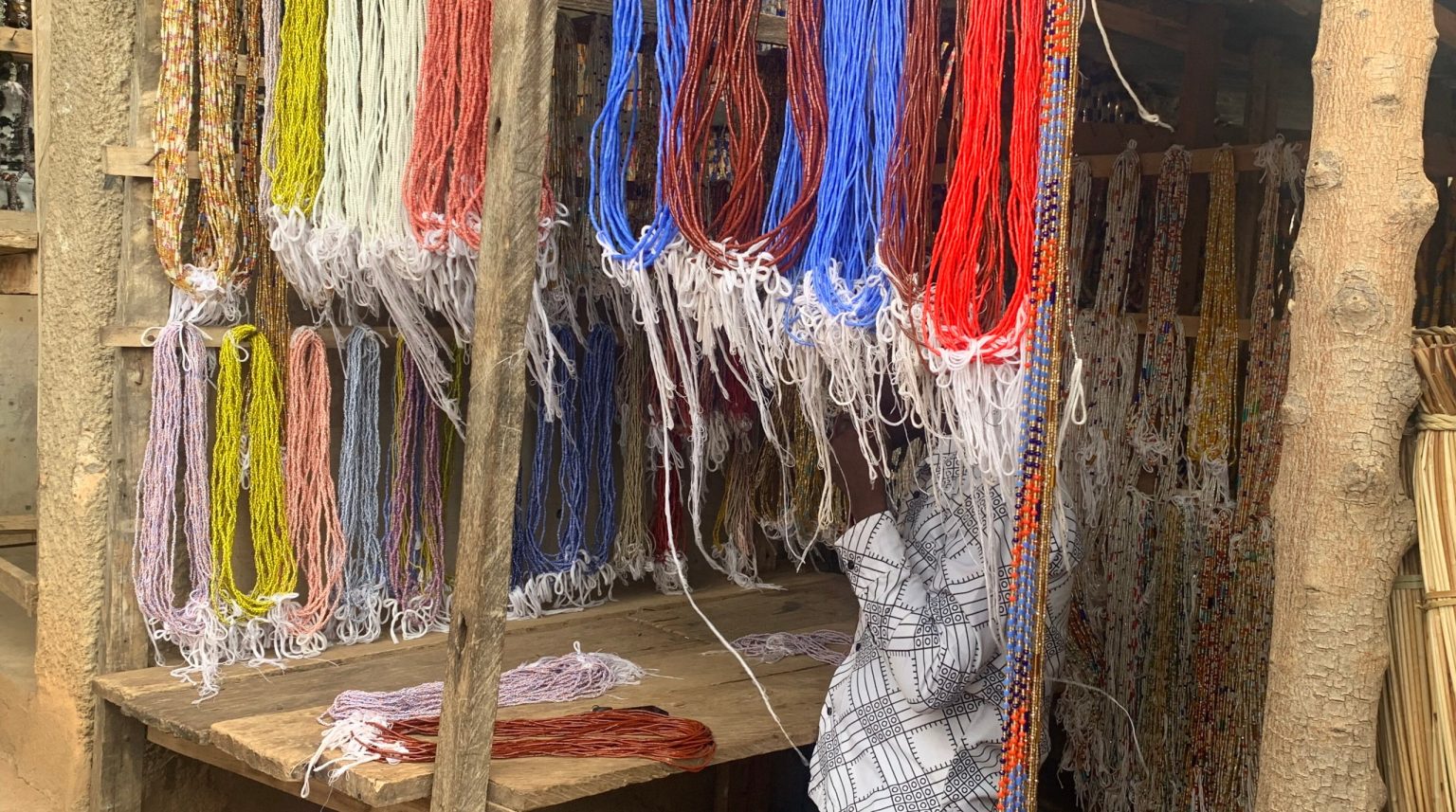
Strings of colourful beads at Agomanya Market
Home / Why Ghana / Safe & stable

Is Ghana safe? An honest guide

Ghana is one of West Africa's most peaceful and stable countries, and most visits are trouble-free. Here's the context, and the sensible precautions.

Why GhanaGateway to AfricaHospitalityUNESCO sitesYear of ReturnMusicSafe & stable

Why Ghana feels safe

Ghana has been a multi-party democracy since 1992. It has held nine general elections since then, with power passing peacefully between rival parties several times, and it has never had a civil war. The Global Peace Index regularly places it among the more peaceful countries in sub-Saharan Africa.

Just as important is the culture. Communities are close-knit, respect matters, and Ghanaians tend to look out for visitors: people will walk you to the right bus or warn you off a bad taxi deal.

The short version

What to actually watch for

  • Violent crime against visitors is uncommon.
  • The real risks are petty theft, road accidents, strong sea currents and malaria.
  • All of them are manageable with the precautions below.

Practical precautions

Travel smart

Common sense goes a long way. These are the tips we give our own friends and family.

Petty crime

Keep valuables close

  • Watch phones and bags in crowded markets such as Makola and Kejetia, and at bus stations.
  • Don't hold your phone out of a car window in traffic.
  • Use the hotel safe and carry a copy of your passport.

Getting around

Roads are the main risk

  • Avoid long drives after dark, when accidents are more likely.
  • Use a trusted driver or ride-hailing apps such as Uber and Bolt in Accra and Kumasi.
  • Always wear a seat belt, and agree taxi fares before you set off.
Beaches

Respect the Atlantic

  • Strong currents and rip tides are common along the coast.
  • Swim only where locals or lifeguards say it's safe.
  • Don't swim after drinking or alone.
Health

Prepare before you fly

  • A yellow fever vaccination certificate is required to enter Ghana.
  • Malaria is present all year: take antimalarials, use repellent and sleep under a net.
  • Drink bottled or sealed sachet water, and take insurance that covers medical evacuation.
Money

Avoid scams

  • Be wary of "gold deals", investment offers and online romance approaches.
  • Change money at banks or licensed forex bureaus, not on the street.
  • Mobile money and cards are widely used; carry some cash for markets.
Medical care

Good hospitals in the cities

  • Accra: Nyaho Medical Centre, Lister Hospital, Korle Bu Teaching Hospital, University of Ghana Medical Centre.
  • Kumasi: Komfo Anokye Teaching Hospital.
  • Facilities are more basic in rural areas.

Before you go

Good to know

A few honest points every visitor should read, alongside your government's latest travel advice.

Check before going north

Bawku and the northern border

Most of Ghana is calm, but several governments advise against travel to Bawku in the Upper East Region, because of a long-running local conflict, and urge caution near the border with Burkina Faso. Check the latest advice before you travel north.

Laws and customs

Know the rules

Same-sex relations are illegal in Ghana and attitudes are conservative, so LGBTQ+ travellers should read their government's advice and be discreet. Drug penalties are severe. Don't photograph military sites, airports or government buildings.

Solo and women travellers

Generally relaxed

Women travelling alone are usually comfortable in Ghana. Expect friendly attention and the odd marriage proposal; a firm, polite no is respected. Dress modestly away from the beach, especially in the north.

In an emergency

Numbers to save

Save these in your phone before you arrive, along with your embassy's number and your insurer's helpline.

112National emergency number
191Police
192Fire service
193Ambulance

Travel with people who know the ground

We'll plan your trip with trusted drivers, guides and places to stay, so you can relax and enjoy Ghana.

Plan my tripChat on WhatsApp
More practical advice: plan your trip

    Plan your trip to Ghana

    Tell us five quick things and we'll get back to you to start planning. Free, and no obligation.

    We only use your details to reply about your trip.

    Free, no obligation

    Planning a trip to Ghana?

    Tell us five quick things and we'll get back to you to start planning. Prefer to chat? Message us on WhatsApp.

    Plan my tripChat on WhatsApp
    Come to Ghana: The Soul of West Africa

    Ghana trips planned with you, for travellers from Ireland and Europe.

    FacebookInstagramTikTokYouTube

    Explore

    DestinationsRegionsThings to doFestival calendarItinerariesWhy Ghana

    Plan

    Planning guideFlightsPlan my tripWhatsApp

    Come to Ghana

    AboutStoriesShopContact
    © 2026 Come to Ghana. All rights reserved.Terms, privacy & cookies · Photo credits
    Home Explore Plan trip Festivals
    Come to Ghana
    Plan your trip
    Destinations
    All destinationsRegionsTop attractionsExperiencesGhanaian cultureCulture & cuisineEvents calendarGhana festivals
    Why Ghana
    Gateway to AfricaHospitalityUNESCO heritageYear of ReturnMusicSafe & stable
    Itineraries Book flights Blog Shop About Contact
    WhatsAppPlan my trip