Come to Ghana
  • Plan Your Trip
  • Destinations
    • Regions
    • Top Attractions
    • Experiences
    • Ghanaian Culture
    • Culture & Cuisine
    • Events Calendar
    • Ghana Festivals
  • Why Ghana
    • Gateway to Africa
    • Ghana’s Hospitality
    • UNESCO Heritage Sites
    • Year of Return
    • Ghana Music
    • Safe & Stable
  • Itineraries
  • Blog
  • About
  • Contact
WhatsApp
Plan my trip
Come to Ghana
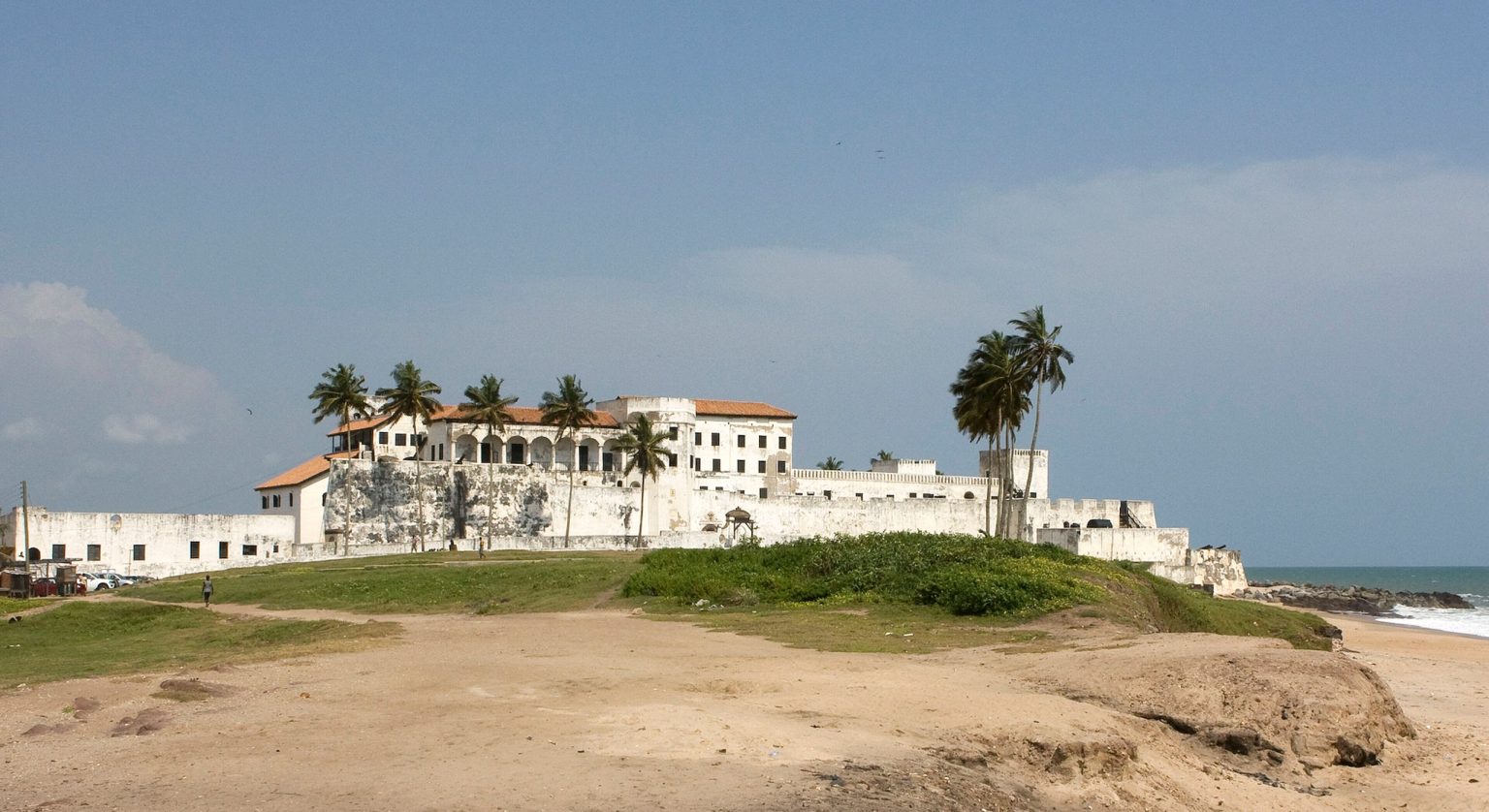
Elmina Castle on the Atlantic shore
Home / Destinations / Regions

Ghana's 16 regions

From the Atlantic coast through the forest belt to the northern savannah: what makes each region different, and what to see there.

Explore by zone

Ghana divides naturally into three zones: the coast, the forest belt and the northern savannah. Open any region for its landmarks, wildlife, festivals and food.

The Black Star Gate on Accra's Independence Square
Coast

Greater Accra

Capital: Accra · People: Ga, Dangme (Adangbe)

The gateway to Ghana, where modern skyscrapers meet historical colonial architecture and vibrant street life.

Accra in a day itinerary

Highlights of Greater Accra

Greater Accra is the smallest of Ghana's 16 administrative regions in terms of area, but the most densely populated and economically vital. It serves as the political and financial capital. The region perfectly juxtaposes the old and the new: from the historic, bustling neighborhoods of Jamestown and Usshertown with their colonial-era lighthouses and forts, to the sleek, modern skyline of Airport City and the upscale energy of Osu. It is a true melting pot of global and local cultures.

History & landmarks

  • Osu Castle (Christianborg)
  • Ussher Fort & James Fort
  • Jamestown Lighthouse
  • Kwame Nkrumah Memorial Park & Mausoleum
  • Black Star Square (Independence Square)

Nature & wildlife

  • Shai Hills Resource Reserve (Baboons & Antelopes)
  • Legon Botanical Gardens
  • Sakumono Lagoon
  • Labadi Beach & Bojo Beach

Festivals

Homowo Festival (celebrated by the Ga people to hoot at hunger), Asafotufiam (Dangme), and the internationally renowned Chale Wote Street Art Festival in Jamestown.

Food

Kenkey (fermented corn dough) with fried fish and Shito (spicy black pepper sauce). Also famous for Waakye (rice and beans) and Red Red (plantain with bean stew).

Sport

A historic hub for Boxing, with the Bukom neighborhood producing multiple world champions. Also home to major football giants like Hearts of Oak SC. Kokrobite is a premier surfing destination.

Fishing boats returning to the shore at Elmina
Coast

Central Region

Capital: Cape Coast · People: Fante, Denkyira, Assin, Effutu, Awutu

The educational collar of Ghana, deeply rooted in the poignant history of the transatlantic slave trade.

Cape Coast & Elmina guide · Kakum National Park guide · 3-day heritage itinerary

Highlights of Central Region

The Central Region is the premier destination for historical and heritage tourism in Ghana. It is globally recognized for its monumental slave castles, which stand as stark reminders of the transatlantic slave trade. Beyond its profound history, the region boasts stunning palm-fringed beaches, lush national parks, and is renowned for hosting many of the country's most prestigious secondary schools.

History & landmarks

  • Cape Coast Castle (UNESCO World Heritage)
  • Elmina Castle (St. George's Castle)
  • Fort St. Jago
  • Posuban Military Shrines in Mankessim

Nature & wildlife

  • Kakum National Park & Canopy Walkway (Forest Elephants & Monkeys)
  • Assin Manso Ancestral Slave River Park
  • Brenu Beach

Festivals

Oguaa Fetu Afahye in Cape Coast, the Aboakyer (Deer Hunting) festival of the Effutu people in Winneba, and the Bakatue festival in Elmina.

Food

Fante Kenkey (Etew) wrapped in plantain leaves, served with incredibly rich, spicy palm nut and seafood stews featuring fresh lobster and crab.

Sport

Known for producing top-tier athletes through its elite high school sports programs. Also features competitive football via Ebusua Dwarfs and vibrant beach volleyball scenes.

The stilt village of Nzulezo in the Western Region
Coast

Western Region

Capital: Sekondi-Takoradi · People: Ahanta, Nzema, Wassa, Pepesa

Ghana's 'Oil City', boasting the country's most pristine beaches, high rainfall, and lush tropical rainforests.

Highlights of Western Region

The Western Region is the economic powerhouse of Ghana's natural resources, heavily contributing to gold, timber, cocoa, and recently, offshore crude oil production. Twin-city Sekondi-Takoradi serves as the administrative hub. The region receives the highest rainfall in the country, resulting in incredibly lush, verdant landscapes, deep rainforests, and arguably the most beautiful, untouched surf beaches on the West African coast.

History & landmarks

  • Fort Metal Cross in Dixcove
  • Fort San Sebastian in Shama
  • Fort Apollonia in Beyin
  • Cape Three Points Lighthouse

Nature & wildlife

  • Nzulezu Stilt Village (Village built over Lake Tadane)
  • Ankasa Conservation Area (High biodiversity & unlogged forests)
  • Busua Beach & Axim Beach

Festivals

Vibrantly celebrates the Kundum festival by the Ahanta and Nzema people, known for its elaborate masquerades, dancing, and drumming to ward off evil spirits.

Food

Akyeke (steamed fermented cassava couscous) traditionally served with rich, spicy grilled fish, avocado, and freshly ground pepper.

Sport

The undisputed premier surfing destination in Ghana (Busua). Has a strong football legacy represented by clubs like Medeama SC and Sekondi Hasaacas.

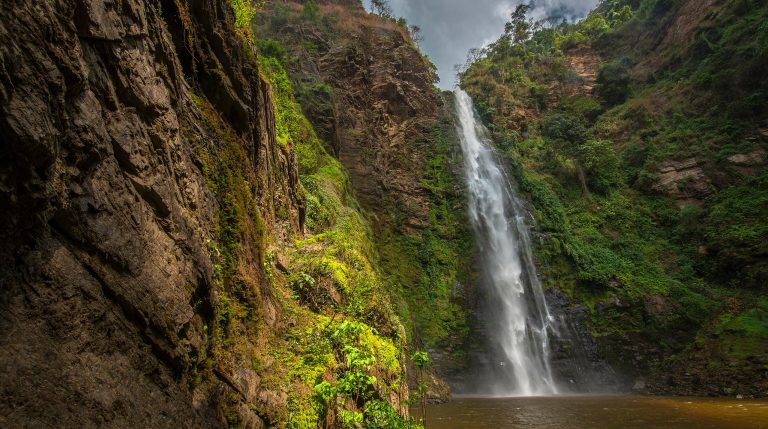
The lower Wli Falls in the Volta Region
Coast

Volta Region

Capital: Ho · People: Ewe, Avatime, Nyagbo, Tafi

A land of breathtaking geographical diversity, featuring towering waterfalls, high mountains, and expansive lagoons.

7-day Volta itinerary

Highlights of Volta Region

Stretching along the eastern border with Togo, the Volta Region offers extraordinary scenic beauty and dramatic landscapes. It transitions from golden coastal sandbars and massive saline lagoons in the south to rolling hills, steep valleys, and the highest mountain peaks of the country in the north. It is a haven for eco-tourists and hikers.

History & landmarks

  • Fort Prinzenstein in Keta
  • Cape St. Paul Lighthouse in Woe
  • Agotime Kente Weaving Villages

Nature & wildlife

  • Mount Afadja (Afadjato - highest peak in Ghana)
  • Wli Waterfalls (Highest waterfall in West Africa)
  • Tafi Atome Monkey Sanctuary (Sacred Mona Monkeys)
  • Keta Lagoon Complex

Festivals

Famous for the Hogbetsotso festival in Anlo, which commemorates their historical exodus by walking backwards, and the Agbamevo (Kente) Festival.

Food

Akple with Fetridetsi (Okro soup) or Abobi Tadzi (anchovy stew). The region is also famous for Ayigbe biscuits and Abolo.

Sport

Excellent terrain for hiking and mountaineering. Canoe racing on the lagoons is a traditional sport, and the region is represented in football by Heart of Lions FC.

Canoes on the lake shore at Dambai in the Oti Region
Savannah

Oti Region

Capital: Dambai · People: Krachi, Nchumuru, Nkonya, Adele, Ewe

Rich in water resources, rolling hills, and vibrant riverside trading hubs along the massive Volta Lake.

Highlights of Oti Region

Carved out of the northern half of the Volta Region in 2018, the Oti Region is defined by its deep connection to the Volta Lake system. It is characterized by rolling hills, significant agricultural output (especially tubers), and bustling river-crossing towns. It is a frontier region with immense, untapped potential for nature and adventure tourism.

History & landmarks

  • German Colonial Remnants in Kete Krachi
  • Iron Ore Deposits and ancient smelting sites in Akpafu

Nature & wildlife

  • Kyabobo National Park (Featuring the iconic 'Breast Mountains')
  • Nkwanta Waterfalls
  • Volta Lake Eco-systems

Festivals

A rich mosaic of ethnicities celebrate various vibrant yam festivals, such as the Gbi and Krachi yam festivals, celebrating the massive agricultural harvest.

Food

Pounded yam served with rich, spicy soups made from freshly caught, massive Volta Lake tilapia and catfish.

Sport

Water sports dominate the traditional recreation, including river swimming, canoe transport racing, alongside enthusiastic local district football.

Kejetia Market in Kumasi
Forest

Ashanti Region

Capital: Kumasi · People: Ashanti (Akan)

The revered Kingdom of Gold. The cultural epicenter of Ghana and home to the powerful Ashanti Empire.

Highlights of Ashanti Region

The Ashanti Region is the historical and cultural heartbeat of Ghana. Centrally located within the lush forest belt, it is the seat of the Asantehene (Ashanti King) and the historical Ashanti Empire, famous for its military prowess and immense wealth in gold. Today, Kumasi remains a bustling metropolis where ancient traditions, royal courts, and modern commerce blend seamlessly.

History & landmarks

  • Manhyia Palace Museum (Seat of the King)
  • Okomfo Anokye Sword Site
  • Prempeh II Jubilee Museum
  • Fort Kumasi & Yaa Asantewaa Museum

Nature & wildlife

  • Lake Bosomtwe (Ancient meteorite crater lake)
  • Bobiri Forest & Butterfly Sanctuary
  • Owabi Wildlife Sanctuary

Festivals

The grand Akwasidae festival held every 42 days to honor the ancestors and the Golden Stool, along with the massive Adae Kese festival.

Food

The absolute home of Fufu. Best enjoyed with steaming Light Soup, Palmnut Soup, or Groundnut soup, often heavily loaded with bushmeat or goat.

Sport

The undisputed heartland of Ghanaian football. Home to Asante Kotoko SC, one of Africa's biggest clubs, playing at the colossal Baba Yara Sports Stadium.

The twin Boti Falls in the Eastern Region
Forest

Eastern Region

Capital: Koforidua · People: Akyem, Akuapem, Kwahu, Krobo, Larteh

Dramatic landscapes transitioning from coastal plains to the Kwahu plateau, rich in history and hydro-power.

Kwahu Easter guide

Highlights of Eastern Region

The Eastern Region is a land of incredible topographical variety. It houses the majestic Kwahu Plateau, deep valleys, and lush botanical gardens. It is historically significant as a major center for early missionary work and education, and economically vital as the home of the Akosombo Dam, which provides the majority of Ghana's hydro-electric power via the massive, man-made Lake Volta.

History & landmarks

  • Tetteh Quarshie Cocoa Farm (First in Ghana)
  • Akonedi Shrine & Okomfo Anokye's Shrine in Awukugua
  • Akosombo Dam (A modern engineering landmark)

Nature & wildlife

  • Aburi Botanical Gardens
  • Boti Twin Falls & Umbrella Rock
  • Atewa Range Forest Reserve

Festivals

Globally famous for the 'Kwahu Easter' celebrations (massive street parties), the Odwira festival (Akuapem), and the Ngmayem festival (Krobo).

Food

Ampesi (boiled root crops like yam or plantain) served with Kontomire (cocoyam leaf) stew. Also renowned for Eto (mashed yam with palm oil).

Sport

Kwahu Easter hosts an annual International Paragliding Festival, drawing extreme sports enthusiasts. Hiking the plateau and football are also very popular.

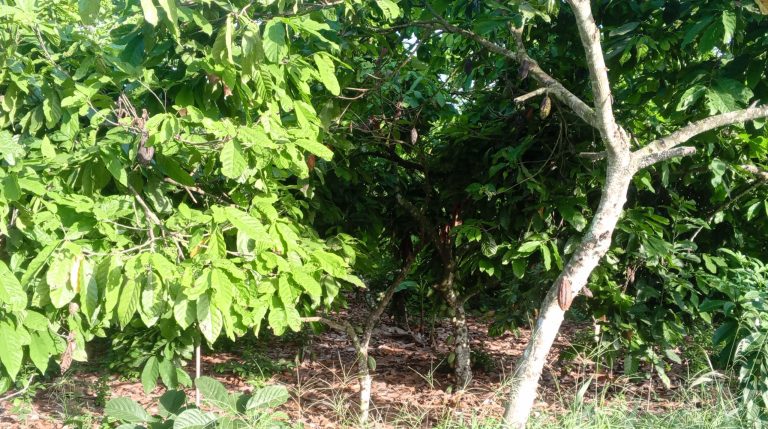
A cocoa farm in Ghana
Forest

Western North

Capital: Sefwi Wiawso · People: Sefwi, Aowin, Anyi, Brosa

Deep, pristine forests and the heavy-hitting agricultural powerhouse of Ghana's cocoa industry.

Highlights of Western North

Carved from the northern part of the former Western Region, the Western North is characterized by vast, dense tropical rainforests, heavy rainfall, and highly fertile soils. It is a quiet, industrious region that stands as one of the highest producers of cocoa and timber in the country, offering an untouched, deeply authentic rural forest experience.

History & landmarks

  • Traditional Palaces of Sefwi Wiawso
  • Ancient ancestral shrines of the Sefwi kings

Nature & wildlife

  • Bia National Park (Home to forest elephants and chimpanzees)
  • Sui River Forest Reserve
  • Pristine, unlogged Forest Canopies

Festivals

They celebrate the Alluolue festival, a deeply traditional event giving thanks to the ancestors for successful harvests and communal protection.

Food

Hearty forest dishes heavily reliant on root crops. Fufu with Ebunu-Ebunu (cocoyam leaf soup) and various rich, traditional bushmeat preparations.

Sport

Traditional wrestling matches during harvest seasons and incredibly passionate local district and community football leagues.

A cashew plantation at Mim in the Ahafo Region
Forest

Ahafo Region

Capital: Goaso · People: Ahafo (Akan)

The verdant breadbasket of Ghana, characterized by extensive agriculture, timber, and stunning rock formations.

Highlights of Ahafo Region

Though small in size, the Ahafo Region punches far above its weight economically. It is incredibly resource-rich, boasting large commercial timber reserves, significant gold mining operations, and massive agricultural output that feeds much of the nation. It is a region defined by dense greenery and rolling agrarian landscapes.

History & landmarks

  • Mim Bour (Legendary massive rock formations with deep spiritual significance)
  • Historic Timber Mills of Samreboi

Nature & wildlife

  • Oumuo Forest Reserve
  • Ayum Forest Reserve
  • Extensive Plantain and Yam Farms

Festivals

Deeply rooted in Akan traditions, the people celebrate the Adekyem festival, a vibrant showcase of their farming prowess and thanksgiving for the yam harvest.

Food

Colossal portions of Pounded Yam or Fufu served with Egusi soup or hearty Palmnut soup. The region produces some of the largest yams in the country.

Sport

Football is heavily supported, influenced by the success of neighboring regional teams (like Aduana Stars) and strong local colts (youth) leagues.

The centre of Sunyani in the Bono Region
Forest

Bono Region

Capital: Sunyani · People: Bono, Nafana, Kulango, Mo (Degha)

A meticulously clean, serene region known for beautiful forest canopies and unique wildlife sanctuaries.

Highlights of Bono Region

The Bono region offers a perfect blend of modern city life and pristine natural environment. Its capital, Sunyani, is widely celebrated as one of the cleanest and best-planned cities in Ghana. The region is heavily forested, housing critical wildlife reserves, and serves as a major hub for cashew production and higher education in the middle belt.

History & landmarks

  • Sunyani Cocoa House
  • Traditional palaces of the Bono, the pioneer Akan settlers

Nature & wildlife

  • Bui National Park (Famous for its large hippopotamus population)
  • Asumura White-Necked Rockfowl Conservation Area
  • Duasidan Monkey Sanctuary

Festivals

The Kwafie festival, which is an intense, dramatic traditional event involving fire dancing and profound purification rites.

Food

A culinary transition zone featuring massive forest yams, a crossover to Tuo Zaafi, and rich, thick peanut butter soups.

Sport

A prominent football region, home to historic teams like Bofoakwa Tano FC and heavily involved in vibrant university sports tournaments.

Kintampo Waterfalls in the Bono East Region
Forest

Bono East

Capital: Techiman · People: Bono, Nchumuru, Degha

The ultimate transitional zone, home to breathtaking waterfalls, sacred monkeys, and colossal trading markets.

Highlights of Bono East

Bono East is geographically fascinating as it marks the transition from the dense southern forests to the northern savanna. This unique ecology makes it a massive agricultural hub. Techiman, its capital, hosts one of the largest traditional food markets in all of West Africa, acting as the critical trade bridge between the northern and southern halves of the country.

History & landmarks

  • Geographical Center of Ghana monument in Kintampo
  • Forikrom Magic Caves and ancient refuge sites
  • Techiman Central Market

Nature & wildlife

  • Boabeng-Fiema Monkey Sanctuary (Where sacred monkeys live peacefully alongside humans)
  • Kintampo Waterfalls
  • Fuller Falls

Festivals

Famous for the Apoo festival in Techiman, a unique period where citizens are culturally permitted to mock and critique their leaders without consequences.

Food

A true cross-cultural melting pot: you will find excellent Waakye, northern-style TZ, alongside southern staples like Fufu and Red Red.

Sport

Techiman Eleven Wonders represents the region's deep love for football, drawing huge crowds from the bustling trade city.

A road and mosque in Tamale, Northern Region
Savannah

Northern Region

Capital: Tamale · People: Dagomba, Nanumba, Konkomba, Anufo

The bustling cultural and commercial heart of the north, defined by vast savannas and rapid urban growth.

Highlights of Northern Region

The Northern Region offers a landscape and culture distinctly different from the south. Characterized by flat savanna grasslands, iconic baobab trees, and a drier climate, it has historically been a major intersection for trans-Saharan trade routes. Today, its capital, Tamale, is recognized as one of the fastest-growing cities in West Africa, buzzing with motorcycles and vibrant markets.

History & landmarks

  • Dakpema Palace
  • Saakpuli Slave Camp
  • Naa Gbewaa Shrine
  • Traditional Leather Tanning Sites

Nature & wildlife

  • Vast Savannah Plains
  • Ancient Baobab Groves
  • Daboya local river ecology

Festivals

The Damba festival (showcasing regal heritage) and the thrilling Bugum Chugu (Fire Festival) featuring midnight torchlight processions.

Food

Tuo Zaafi (TZ) served with Ayoyo (jute leaf) soup or Bra soup, heavily utilizing Dawadawa (locust bean) seasoning. Wagagye (local fried cheese) is a staple.

Sport

Cycling is both a major mode of transport and a local sport. The region is passionately represented in football by Real Tamale United (RTU).

Larabanga Mosque in the Savannah Region
Savannah

Savannah Region

Capital: Damongo · People: Gonja, Vagla, Safaliba, Hanga, Tampulma

The largest region by landmass, reigning as Ghana's premier destination for wildlife safaris and ancient Islamic history.

Mole National Park guide

Highlights of Savannah Region

Taking up a massive portion of the country's landmass, the Savannah Region is the undisputed king of Ghanaian eco-tourism. It features vast, untouched wilderness plains that harbor the country's most significant wildlife populations. It is also deeply historical, containing ancient, iconic Sudanese-style mud architecture and remnants of powerful ancient kingdoms.

History & landmarks

  • Larabanga Mosque (Oldest mosque in Ghana, stunning mud architecture)
  • Larabanga Mystic Stone
  • Salaga Slave Market
  • Ndewura Jakpa Tomb

Nature & wildlife

  • Mole National Park (Ghana's premier elephant and wildlife safari destination)
  • Bui National Park borders (Hippos)

Festivals

Home to the historic Gonja Kingdom, celebrating the Damba festival with magnificent equestrian displays, and the Jintigi Fire Festival.

Food

Tubani (steamed black-eyed pea pudding wrapped in leaves), TZ, and diets incredibly rich in fresh cow milk and locally sourced shea butter.

Sport

Traditional equestrian sports (horse riding and racing) are highly prestigious. Local football is also fiercely competitive.

The Gambaga escarpment in the North East Region
Savannah

North East Region

Capital: Nalerigu · People: Mamprusi, Bimoba, Konkomba, Bissa

A land of dramatic escarpments, ancient defense walls, traditional shrines, and rich historical governance.

Highlights of North East Region

A relatively newly demarcated region that holds incredible historical weight. It features spectacular geography, most notably the Gambaga Escarpment, which offers breathtaking panoramic views. It serves as the traditional headquarters for the Mamprusi people, one of the oldest ethnic groups in the north, known for their deeply entrenched traditional governance systems.

History & landmarks

  • Naa Jeringa Wall (Ancient slave defense wall)
  • Nalerigu Defence Wall
  • Traditional Healing Centers and Shrines

Nature & wildlife

  • Gambaga Escarpment (Panoramic views and unique flora)
  • White Volta River basins

Festivals

Dominated by Mamprusi culture, the vibrant celebration of the Bugum Chugu (fire festival) commemorates historical events alongside the Damba festival.

Food

Dawadawa Jollof, Tuo Zaafi with dry okra soup, and abundantly available, highly prized spicy Guinea fowl.

Sport

Traditional archery (using bow and arrow) remains a respected skill and sport, complementing the widespread love for community football.

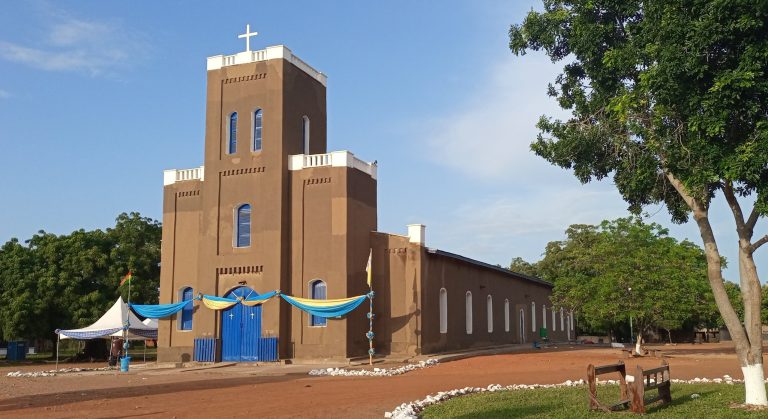
The mud-built cathedral at Navrongo in the Upper East Region
Savannah

Upper East

Capital: Bolgatanga · People: Frafra, Kusasi, Kassena-Nankana, Builsa, Talensi

Famous for its spectacular rocky landscapes, sacred crocodiles, and vibrant, world-class artisan crafts.

Highlights of Upper East

Bordering Burkina Faso, the Upper East Region features a distinctive, arid terrain dotted with massive granite rock outcrops and baobab trees. Known as the undisputed crafts center of the north, the region is globally famous for its intricately woven 'Bolga baskets' and unique, geometrically painted mud-house architecture.

History & landmarks

  • Pikworo Slave Camp
  • Tengzug Shrine
  • Sirigu Women's Organization for Pottery and Art (SWOPA)

Nature & wildlife

  • Paga Crocodile Pond (Where humans interact safely with sacred crocodiles)
  • Tongo Hills (Stunning granite rock formations)

Festivals

The Golib festival which promotes peace and a good farming season, and the Feok Festival celebrated by the Builsa people.

Food

Spicy, grilled or fried Guinea Fowl (Akonfem), Tuo Zaafi, and refreshing traditional drinks made from millet like Zomkoo.

Sport

Traditional wrestling is a massive spectator sport during harvest seasons. The region has also produced top-flight football clubs like Bolga All Stars.

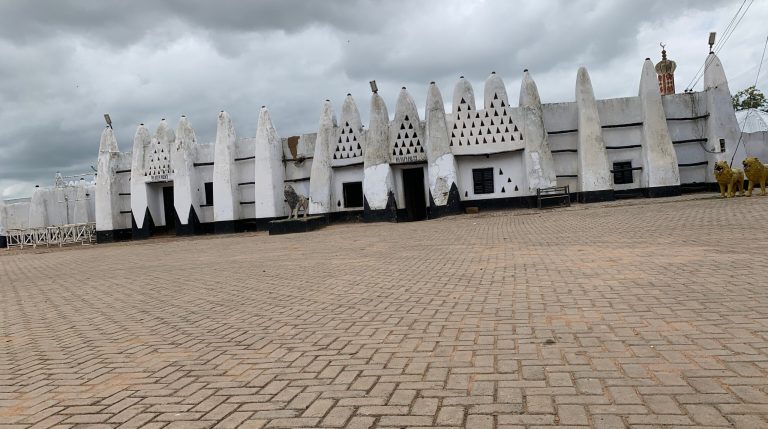
The Wa Naa's Palace in Wa, Upper West Region
Savannah

Upper West

Capital: Wa · People: Dagaaba, Wala, Sissala, Lobi

A serene region marked by distinctive Sudanese architecture, protected hippo sanctuaries, and rhythmic xylophone music.

Highlights of Upper West

Tucked into the northwestern corner of Ghana, the Upper West Region is a peaceful, culturally rich area. It is visually defined by its stunning, ancient Sudanese-style mud mosques and palaces. The region is also highly recognized for its successful community-based eco-tourism initiatives that protect endangered species like the hippopotamus.

History & landmarks

  • Wa Naa's Palace (Moorish-Sudanese architecture)
  • Nakore Ancient Mud Mosque
  • George Ekem Ferguson's Tomb

Nature & wildlife

  • Wechiau Community Hippo Sanctuary
  • Gbelle Resource Reserve (Elephants, roan antelopes, and birdwatching)

Festivals

The spectacular Kobine harvest festival, heavily featuring the region's globally famous invention: the Gyil (a traditional wooden xylophone).

Food

Pito (a locally brewed, mildly alcoholic fermented millet beer), Tuo Zaafi, and nutritious Kapok leaf soup.

Sport

Endurance Xylophone (Gyil) dancing and playing competitions are highly competitive. Football holds a strong legacy here (Wa All Stars).

Planning a multi-region trip?

Coast, forest and savannah in one journey takes some routing. Tell us your dates and we'll suggest the best way to string it together.

Plan my tripChat on WhatsApp
Ready-made routes: see our itineraries

    Plan your trip to Ghana

    Tell us five quick things and we'll get back to you to start planning. Free, and no obligation.

    We only use your details to reply about your trip.

    Free, no obligation

    Planning a trip to Ghana?

    Tell us five quick things and we'll get back to you to start planning. Prefer to chat? Message us on WhatsApp.

    Plan my tripChat on WhatsApp
    Come to Ghana: The Soul of West Africa

    Ghana trips planned with you, for travellers from Ireland and Europe.

    FacebookInstagramTikTokYouTube

    Explore

    DestinationsRegionsThings to doFestival calendarItinerariesWhy Ghana

    Plan

    Planning guideFlightsPlan my tripWhatsApp

    Come to Ghana

    AboutStoriesShopContact
    © 2026 Come to Ghana. All rights reserved.Terms, privacy & cookies · Photo credits
    Home Explore Plan trip Festivals
    Come to Ghana
    Plan your trip
    Destinations
    All destinationsRegionsTop attractionsExperiencesGhanaian cultureCulture & cuisineEvents calendarGhana festivals
    Why Ghana
    Gateway to AfricaHospitalityUNESCO heritageYear of ReturnMusicSafe & stable
    Itineraries Book flights Blog Shop About Contact
    WhatsAppPlan my trip